Snooze Between Acts: Six UK Stays That Respect the Afternoon Gap
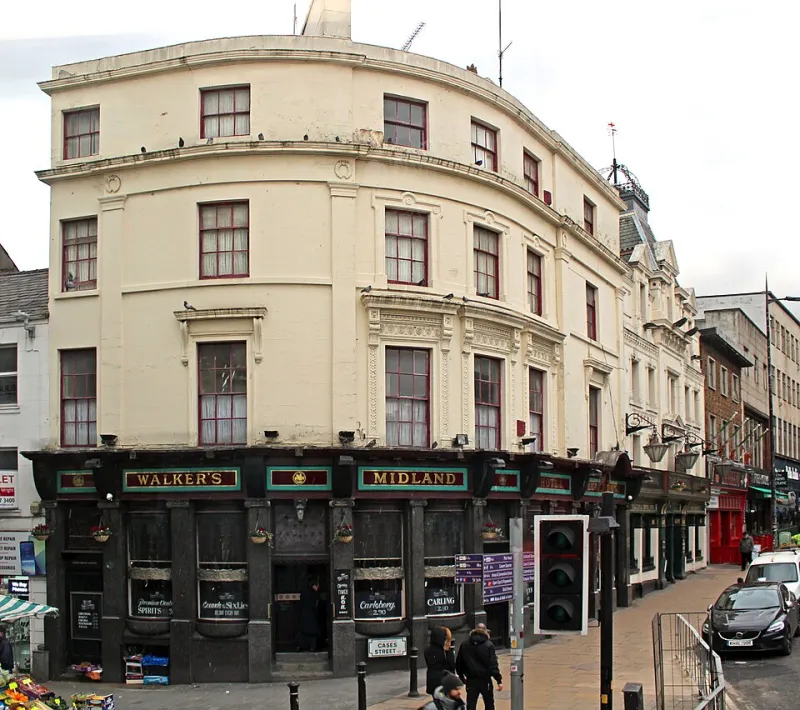
Photo: Rodhullandemu, CC BY-SA 4.0, via Wikimedia Commons
There is a particular kind of theatre-goer who leaves a matinee, walks straight into a second coffee and spends the evening performance trying not to blink in slow motion. Then there is the smarter sort: the one who treats the gap between a 2.30pm curtain and a 7.30pm curtain as a proper interval. Not a shopping interval. Not a second-lunch interval. A nap interval.
At Green Room Stays we are firmly on the side of the nap. The matinee nap is one of the most underrated skills in UK theatre-going, and a surprising number of hotels actively sabotage it. Housekeeping knocks at 3.15pm. Curtains meet in the middle like two shy people at a party. The kettle is hidden behind a wardrobe, and the do-not-disturb card is still in the room-service menu.
So we have built the Matinee Nap Index: a practical, slightly pedantic ranking of six UK stays that understand the afternoon gap. The scores are not about thread count or lobby scent. They are about whether you can genuinely lie down, switch off and come back up for the evening show.
How the Nap Index works
Each stay is scored out of 10 across four things that matter between acts.
- Blackout, 0–3: Do the curtains actually close? Do they overlap? Is there a gap that turns the bed into a strip-lit stage?
- Hush, 0–3: Corridor noise, lift chatter, street clatter and the distant rumble of a city that has not been told you are resting.
- Do-not-disturb, 0–2: A system that works, whether it is a card, a switch or a human being who reads the room.
- Kettle placement, 0–2: Can you make the 4.30pm reset without moving furniture, unplugging a lamp or boiling water on the floor?
No spa treatments. No pillow menus. Just the basic backstage business of getting a tired body ready for act two.
1. The Midland, Manchester — 9/10
Manchester is a matinee town with a big appetite, and The Midland has the scale to absorb the pre-show crowd without feeling like a dressing room with a queue. It is handy for the Palace and the Opera House, which means you can walk back after the matinee rather than debate a tram.
Blackout: 3. Hush: 2. Do-not-disturb: 2. Kettle: 2.
The trick is to ask for a higher floor away from the lift lobby. The building is grand enough that corridors can carry a certain echo, but a room set back from the main flow gives you a fighting chance. Put the do-not-disturb card out before the interval, not after you are already horizontal. The kettle is usually on a desk rather than a shelf, which sounds small until you are trying to make tea in a semi-conscious state.
2. The Grand, York — 8.5/10
York is a city that rewards a slow afternoon, but a matinee at the Theatre Royal does not leave much room for ambling. The Grand works because it is close enough to the action and quiet enough to pretend the rest of the city has gone for a lie-down too.
Blackout: 3. Hush: 2. Do-not-disturb: 2. Kettle: 1.5.
Ask for a courtyard-facing room if you can. The older parts of the building have character, and character sometimes means a creaky floorboard or a corridor that transmits footsteps like a radio play. A courtyard view is not glamorous, but glamour is not the brief at 3.40pm. The kettle situation is decent, though the tray can be a little tucked away. Find it before the nap, not after.
3. Apex Grassmarket, Edinburgh — 8/10
Edinburgh is a brilliant theatre city and a terrible city for light sleepers during festival season. Outside August, the Grassmarket can be a good base for the Lyceum and the Traverse, with the added pleasure of stepping out of a matinee into a view that looks suspiciously like a postcard.
Blackout: 2.5. Hush: 2.5. Do-not-disturb: 1.5. Kettle: 1.5.
The castle does not care about your nap, and neither does a Saturday night crowd. Ask for a room away from the street side, and be honest with yourself about whether you need earplugs. The blackout is good but not always perfect at the edges. A eye mask is not a failure; it is a professional tool. The do-not-disturb system works if you use it early, and the kettle earns a solid mid-table score for being reachable without a yoga pose.
4. The Parkgate Hotel, Cardiff — 7.5/10
Cardiff has a useful cluster of theatres and a city centre that does not demand a full expedition between them. The Parkgate is a modern-feeling base with a calmer corridor vibe than some of the bigger chain hotels, which matters when you are trying to drop off while the rest of the city is still clinking glasses.
Blackout: 2.5. Hush: 2. Do-not-disturb: 1.5. Kettle: 1.5.
Ask for an upper floor and, if there is a stadium event on, check the calendar before you book. Cardiff can go from sleepy to stadium-loud with very little warning. On a normal theatre weekend, though, this is a dependable matinee nap address. The tea tray is sensible and the curtains do the job. Just do not leave the bathroom light on and expect the nap to survive.
5. The Bristol Hotel, Bristol — 7/10
Bristol Hippodrome matinees have a way of making the afternoon feel both long and short. The Bristol Hotel is close enough to walk back, which is the first victory. The second is finding a room that does not face the busiest side of the building.
Blackout: 2. Hush: 2. Do-not-disturb: 1.5. Kettle: 1.5.
This is a solid, unfussy choice rather than a theatrical event in itself. The corridors are not always monastery-quiet, and street noise depends on where you land. Ask specifically for a quieter room and mention that you are back for a rest between shows. It is amazing what a clear request does. The kettle placement is workable, and the bed is the sort that encourages bad decisions about how long 25 minutes really is.
6. The Vermont Hotel, Newcastle — 6.5/10
The Vermont sits in that useful Newcastle pocket near the Theatre Royal, with the Quayside and the city centre both within reach. It has a proper old-hotel feel, which is charming at 8pm and occasionally audible at 3pm.
Blackout: 2. Hush: 1.5. Do-not-disturb: 1.5. Kettle: 1.5.
Book with your eyes open. Ask for a quiet side, away from any event space, and do not assume every room has the same acoustic manners. The reward is a central base with a bit of character and a short walk back to the evening curtain. The nap is possible, but it is not handed to you on a tray. This is the stay for people who like their afternoon rest with a side of urban realism.
The 4.30pm reset
A good matinee nap is not a full sleep. It is a reset. Set an alarm for 25 minutes, make tea at 4.30pm, and resist the urge to check email in bed. If you sleep too long, you will wake up feeling like a understudy who has been asked to go on with no rehearsal. If you sleep too little, you will spend the evening listening to your own jaw tighten.
The ideal routine is boring: curtains closed, phone face down, do-not-disturb deployed, kettle checked, alarm set. Then lie down. The theatre will still be there at 7.30pm. The nap is not laziness; it is interval management.
What to ask before you book
Ask whether the room has blackout curtains, and ask what that means in practice. Ask for a room away from the lift and the street. Ask how do-not-disturb works. Ask where the kettle is. None of these questions are unreasonable, and all of them are cheaper than a second espresso and a bag of sweets at the interval.
The best UK theatre stays understand that a matinee ticket is not just an afternoon booking. It is a whole-day shape. The nap is part of the itinerary, and the hotel either respects the gap or gets in the way of it. These six mostly respect it. Bring an eye mask anyway.