Read the Room Before the Room Reads You: Etiquette for Theatrical Stays
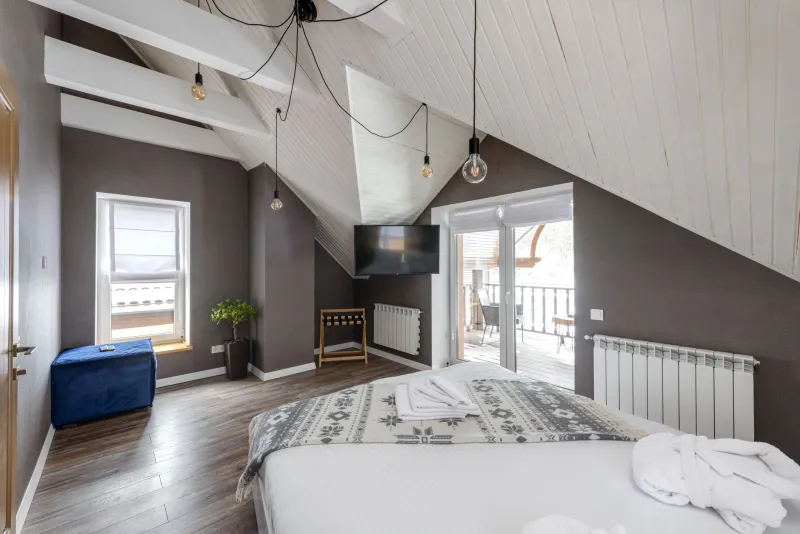
There is a particular kind of silence in a good theatrical stay. Not the hush of a museum, and not the awkward pause of a hotel reception desk. It is the silence of a room that has been used, loved and quietly put back in order. In 2026, more UK stays than ever are borrowing the language of the green room, but the label only works if guests understand the grammar. The best backstage breaks are not built by hosts alone. They depend on travellers reading the room as carefully as the people who made it.
The prop table is not a dress-up box
A prop table is a working surface. It is also, in the right hands, a small museum of borrowed objects, sentimental loans and things that look sturdier than they are. At a stay in York or Stratford-upon-Avon, the tankard on the sideboard might be a genuine period piece. The telegram on the desk might be original. The chair that looks invitingly theatrical might be held together by hope and a bracket from B&Q.
The rule is simple: ask before you touch. If you would not move a stranger's pint without checking, do not rearrange a host's props for a photograph. If you do pick something up, put it back exactly where you found it. Do not treat a signed poster as a mood board, a coaster or a place to hang a damp coat. And if a label says please do not touch, believe it. The hosts are not being precious. They are being practical. A green-room-inspired stay is a house first, a collection second, and a stage never.
Blackout curtains are for sleeping, not staging
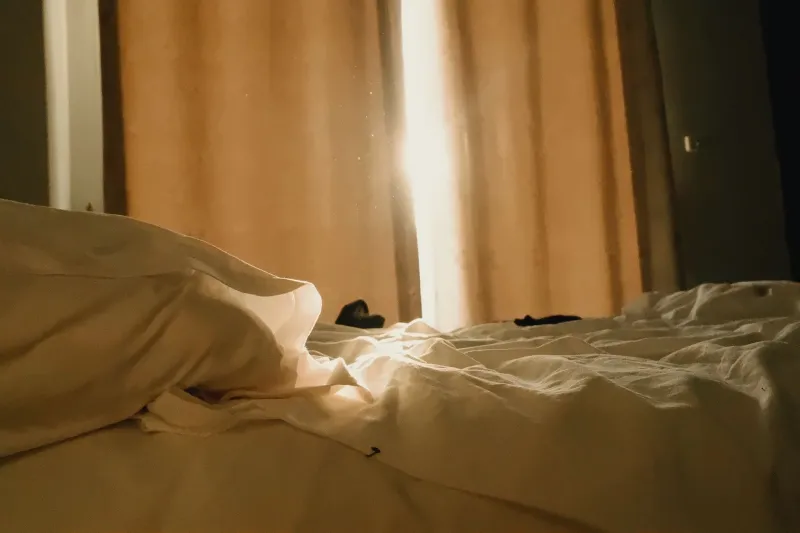
There is a reason theatrical stays invest in properly heavy curtains. Actors, technicians and culture-loving weekenders all share the same problem: the show ends late, the brain keeps running, and the sun has the nerve to come up anyway. Blackout curtains are there to protect the lie-in, the matinee nap and the post-show decompression.
They are not there to be pinned back, clamped, draped into a makeshift arch or used as a backdrop for a photoshoot at 11pm. If you want a dramatic portrait, ask the host where the good light is. Many places have a corner that photographs beautifully without disturbing the room. In a city like Manchester or Bristol, where a good night out can turn into a very good morning after, the blackout curtain is a piece of hospitality, not a prop. Treat it like the friend who drove you home: with respect and no sudden movements.
Keep the post-show chatter below the dressing-room line
The dressing-room line is not a real architectural feature. It is the invisible boundary between a shared space and someone else's sleep. After a show, everyone has a review to deliver. The second act was stronger. The understudy was superb. The person two rows back unwrapped a boiled sweet for what felt like forty minutes. That conversation belongs somewhere, but not in a corridor at 1am.
In theatre towns such as Leeds, Norwich or Glasgow, staying near a venue means staying near other people's schedules. Some guests are performers. Some are technicians. Some are just trying to get a child to sleep before the morning train. If the stay has a lounge, use it. If it has a kitchen, sit down rather than holding court in the hallway. If it has a quiet-hours note, read it as a stage direction rather than a suggestion. The best compliment you can pay a late-night green room is a low voice and a closed door.
A green room is shared, not a stage
The green room is one of theatre's great democratic spaces. It is where the cast and crew wait, complain, celebrate and eat too many biscuits. When a UK stay borrows that spirit, it is offering something communal. That means the piano is not yours for a full Sondheim recital at 7am. The kitchen table is not a private dressing room. The sofa is not an audition platform.
Ask before you play. Share the kettle. Do not monopolise the good chair because it has the best view of the signed programme on the wall. In Buxton or Chichester, where a weekend can revolve around a single curtain-up, the shared spaces are part of the pleasure. They are where you might get a recommendation for a decent pre-show dinner or hear a story about the theatre's most haunted corridor. That only happens if the room feels safe for everyone in it. The guest who performs is less fun than the guest who listens.
Ask the small questions that save the stay
Etiquette is mostly admin with better manners. Can I take this glass upstairs? Is this poster original? Where should I leave the towels? Is the prop table off-limits after a certain hour? Hosts would much rather answer a question than discover a problem. A quick text or a note in the kitchen is not an imposition. It is the opposite. It shows you understand that a theatrical stay is a piece of living hospitality, not a themed hotel set.
And when you leave, leave it as you found it. Not because the host is watching, but because the next guest deserves the same small thrill you had when you first walked in. The programme on the sideboard, the lamp by the bed, the signed poster that has survived three decades of touring: these things make the stay feel real. They stay real only if guests treat them with a bit of care.
The room reads you back
A good green-room-inspired stay is a two-way performance. The host sets the scene, but the guest decides whether the atmosphere holds. Respect the prop table. Leave the blackout curtains alone. Keep the late-night reviews below the dressing-room line. Know when to be in the room and when to let the room be. Do that, and the reward is not a gold star from the host. It is a weekend that feels less like a booking and more like being let in on a very good secret.