Room with a Cue: The Theatrical Conversions Rewriting the UK Weekend Stay
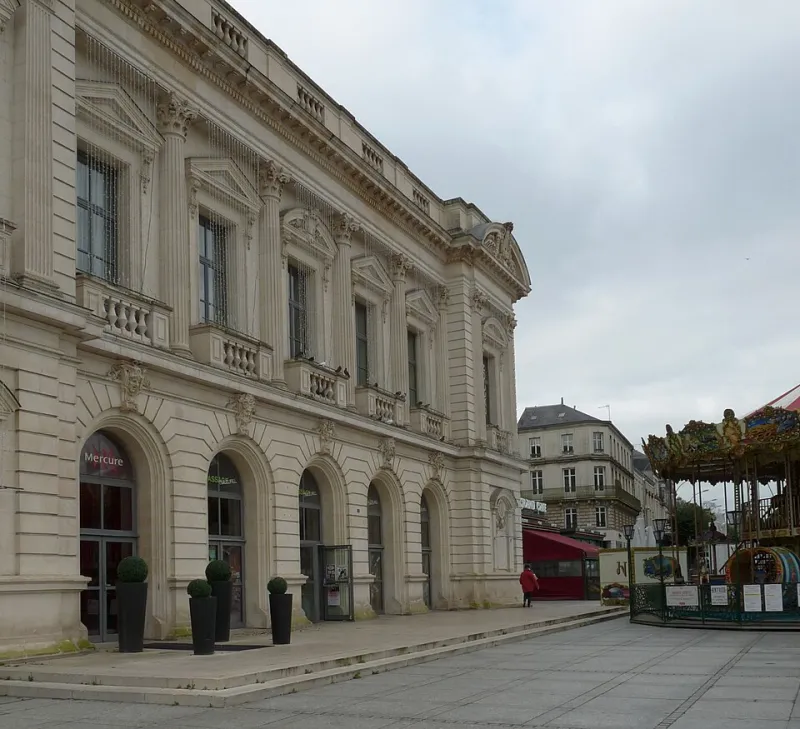
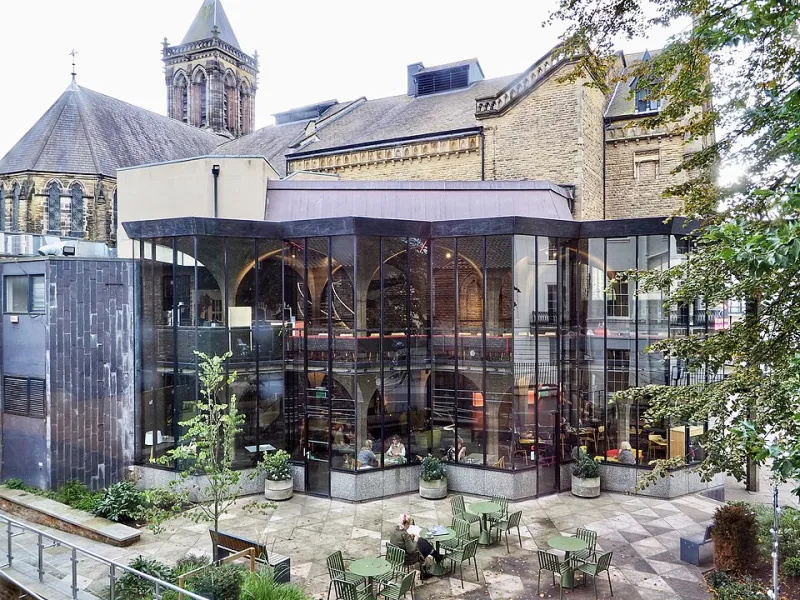
Photo: GO69, CC BY 4.0, via Wikimedia Commons
There is a particular smell in a rehearsal room: dust, coffee, old wood, and the faint ghost of someone else’s nerves. It is not the smell of a hotel lobby. And that, increasingly, is the point. Across the UK, culture-loving travellers are turning away from the identikit city hotel — the same beige headboard, the same laminated breakfast menu — and towards stays with a bit of green-room DNA. Converted theatres, old rehearsal studios and arts-centre lodgings are being rethought as places to sleep, and the result is a new kind of weekend break: part theatre trip, part design pilgrimage, part excuse to sit in a bar and talk about someone else’s performance.
Why green-room DNA is having a moment
Hotels have spent the last decade borrowing from domestic life: the cosy lounge, the honesty bar, the homemade granola. The theatrical conversion does something different. It borrows from the backstage — the cue light, the noticeboard, the corridor that smells faintly of greasepaint — and turns it into atmosphere. That does not mean every stay needs a dressing-room mirror and a rail of costumes. It means the building has a story, and the best operators know how to let that story do the work.
For travellers, the appeal is partly practical. A theatre-adjacent hotel is a shortcut to a good weekend: you can see a matinee, have supper, see an evening show, and stumble back to bed without a taxi. But it is also emotional. A room with a cue sheet on the wall, or a bar named after the green room, makes you feel like you are part of the production rather than a spectator. That is a powerful thing to sell in a market full of bland rooms.
The conversions to know
The Arden Hotel, Stratford-upon-Avon
The Arden sits opposite the Royal Shakespeare Company, which makes it the Platonic ideal of a theatre-adjacent stay. It is not a converted theatre — it is a comfortable, well-run hotel with a direct line to the RSC — but its green-room credentials are hard to beat. Theatre-break packages often include tickets, dinner and sometimes a backstage tour, and the location means you can walk from breakfast to a matinee without breaking stride. If you want the full culture-weekend experience, this is the template: sleep close to the stage, eat well, and let the theatre do the entertaining.
The Curtain, Shoreditch
The Curtain takes its name from the theatre curtain, and its public spaces lean into that backstage mythology: dark corners, a bar that feels like it has seen a few opening nights, and a general air of people who might have just come from a read-through. It is a useful base for east London’s smaller venues — Hoxton Hall, the Courtyard, and the endlessly inventive pub theatres — and it works well for travellers who want a weekend that mixes a show with good coffee and a wander around Spitalfields.
Dartington Hall, Devon
Dartington is an arts centre with rooms, set in a medieval hall and surrounded by gardens that make you want to write a play, or at least a very long text message. It is not a theatre conversion in the strict sense, but it has the rehearsal-room spirit: studios, a programme of events, and a sense that culture is not something you consume in a darkened room and then leave behind. A weekend here can be built around a workshop, a concert or a walk, with a proper breakfast in between.
The Great John Street Hotel, Manchester
The Great John Street Hotel is a former school, not a theatre, but it has become a favourite for theatregoers because of its theatrical suites and its proximity to the Royal Exchange. The building’s original features — high ceilings, big windows, a sense of occasion — make it feel like a stage set, and the rooftop bar is a good place to debrief after a show. It is a reminder that green-room DNA is not only about bricks and mortar; it is about atmosphere, and the feeling that something interesting might happen in the next room.
What to look for when booking
- A real story. A converted theatre should tell you something about its past — not just put a poster in the lobby.
- Proximity to the stage. Check walking times to the venues you actually want to see, not just the city centre.
- A bar worth staying in. The green-room spirit lives in the bar, not the corridor.
- Quiet rooms. Theatres are often in busy parts of town; ask for a room away from the street.
- Packages with substance. A theatre break should include something you would actually book — a ticket, a tour, a meal — not just a voucher for a nearby attraction.
A weekend itinerary: Stratford-upon-Avon
Start with a Friday afternoon check-in at the Arden, then a wander along the river and an early supper. Book a Saturday matinee at the RSC — something with a bit of bite — and follow it with a backstage tour if you can get one. The tour is the real green-room moment: you see the fly floor, the wardrobe, the quick-change corners, and you realise how much of the magic is just hard work and good lighting. On Sunday, take a slow breakfast, visit a gallery or the Shakespeare Birthplace Trust, and head home before the weekend traffic turns the M40 into a car park.
The point is not to pretend you are in the company. It is to let the building and the neighbourhood do some of the storytelling for you. A good theatrical conversion does not make you an actor. It makes you a better audience — and a much happier weekend guest.