The Kettle Never Cools: Eight UK Stays That Pass the Green-Room Test
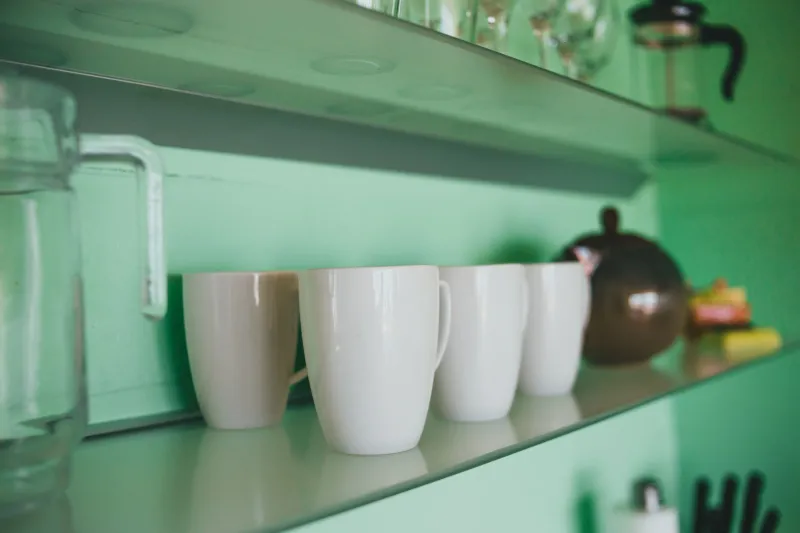
The tea urn test is simple. Walk into a hotel and ask yourself: could a tired company of actors regroup here after a show without anyone making a fuss? If the answer is yes, you are probably in a green-room stay. If the answer is no—if the lobby is too polished, the kettle is hidden behind a minibar lock or the only sofa is roped off—then it is just a theatre-themed hotel. There is a difference.
A proper green room is not about velvet curtains or framed playbills. It is about a kettle that never cools, a noticeboard that actually gets used, a sofa that has heard a few things and a member of staff who knows when to leave you alone. The same rules apply to a weekend stay. We are not asking for a stage-manager's bell, though one is always nice. We are asking for the small rituals that make a place feel useful to people who spend their evenings telling stories.
The Edinburgh Grand, Edinburgh
The residents' lounge is the tell. Low lamps, long tables, a kettle that gets refilled without a lobby call and enough quiet corners for a post-Fringe debrief. It is not a stage door, but it has the right rhythm. Ask for a room with a proper desk; you will want it for scribbling notes after a show. The noticeboard energy is there, even if the notices are mostly about local coffee.
Hope Street Hotel, Liverpool
Between the Everyman and the Philharmonic, this is the stay for people who judge a hotel by its sofa. The lounge has that worn-in, just-come-off-stage softness, and the bar keeps late hours without making a production of it. The tea station is discreet but reliable. It is the kind of place where a company would meet before a tech run and no one would ask them to move.
The Lowry Hotel, Manchester
Salford side of the river, close enough to The Lowry and the city's theatre cluster. The green-room credentials are in the service: bags held before check-in, a quick pre-theatre bite, and staff who know that a 7.30 curtain is not a suggestion. The lobby is bigger than a green room, but the welcome is small-scale. That matters.
The Hoxton, Holborn, London
A lobby that works like a green room by other means: all-day coffee, deep sofas, a noticeboard-ish buzz of listings and people waiting for someone. It is not quiet, but it is alive. The mirror bulbs are in the bathrooms, which counts. Ask for a room away from the lift if you need to sleep before a matinee; ask for one near it if you are running late.
The Zetter Townhouse, Clerkenwell, London
Theatrical without being a pastiche. The honesty bar and odd little rooms feel like a green room after a matinee: somewhere to collapse, gossip and drink something short. The bell on the desk is not a stage-manager's bell, but it does the job. The worn sofas are the real stars. You can hear the room settle.
Artist Residence Bristol
Bristol Old Vic is the anchor, but the hotel's own clutter does the work: mismatched chairs, a noticeboard mentality, coffee that does not stop at 10am. It feels like a place where a company would regroup before a tech run. The rooms are small in the right way—cosy, not cramped—and the tea tray is properly stocked.
Hotel Pelirocco, Brighton
Brighton's rock-and-roll guesthouse has the mirror bulbs, the playful rooms and the kind of tea tray that survives a late-night post-show analysis. It is more dressing room than green room, but the spirit is right. The seafront is a decent stand-in for a stage door. You can walk off a show and be back in a deckchair in ten minutes.
The Grand Central Hotel, Glasgow
A bigger beast, but the lounge gives it a post-show hum. The test is whether you can get a pot of tea at an odd hour and find a quiet corner to read a programme. Here, you can. The staff are used to people arriving with bags and leaving with opinions. That is half the battle.
Why the small stuff wins
The best green-room stays do not over-explain themselves. They put the kettle where you can reach it. They keep the noticeboard current. They leave a sofa that looks comfortable enough to fall asleep on. They understand that a theatre weekend is not just a bed and a ticket; it is a series of small transitions—train, check-in, curtain, late supper, breakfast, matinee.
So when you are booking, ignore the velvet for a moment. Ask about the tea tray. Ask whether the lounge is open after 10pm. Ask if you can drop a bag before check-in. The answers will tell you more than any framed poster. A kettle that never cools is not a gimmick. It is a promise that the stay will keep up with the show.