Velvet Is Not a Personality: The Case for Real Green-Room Hospitality in 2026
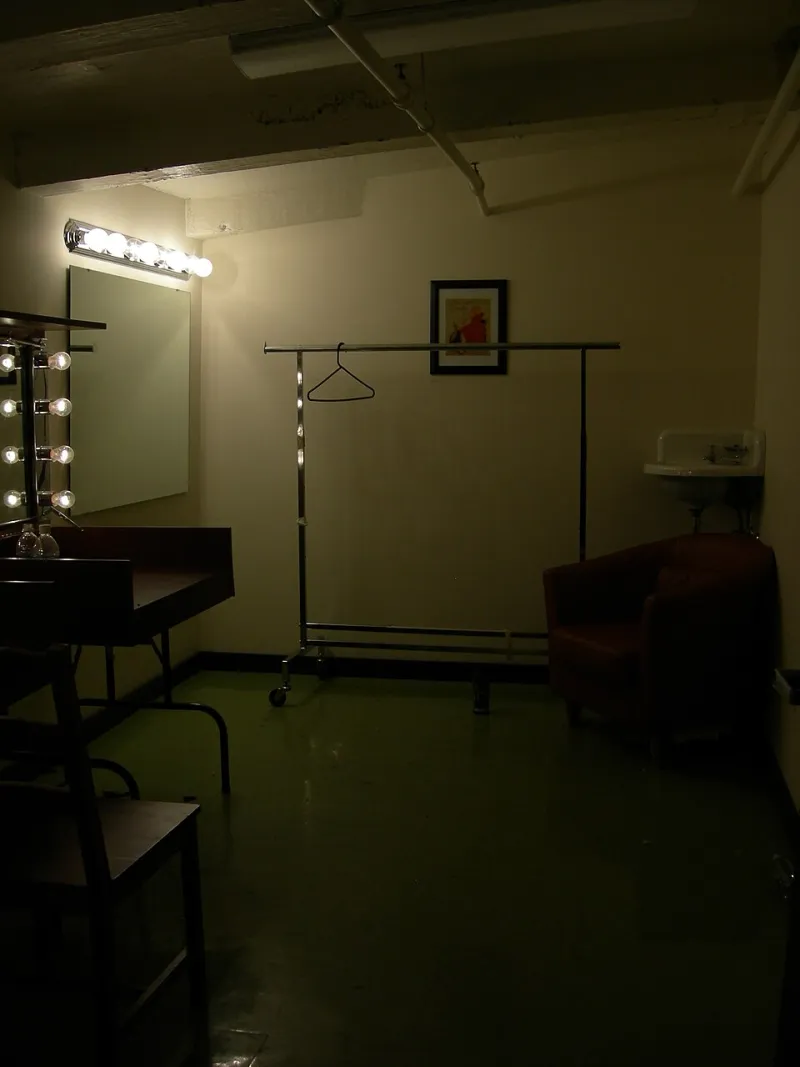
Photo: Joe Mabel., CC BY-SA 3.0, via Wikimedia Commons
There is a moment, usually about ten minutes after check-in, when a theatrical hotel reveals whether it understands the brief. You spot the velvet rope, the framed playbills, the oversized spotlight lamp and the dressing-room mirror ringed with bulbs. Lovely. Very stagey. Then you try to read a programme in bed, find somewhere to hang a damp coat, or work out how to get back from the theatre after the second act without waking the entire corridor. Suddenly the set dressing feels less like hospitality and more like a photo opportunity with a bed attached.
That is the awkward truth about a lot of UK stays aimed at culture lovers in 2026: they have learned the vocabulary of theatre but not the grammar of a green room. A real green room is not glamorous. It is practical, warm, slightly chaotic and deeply useful. It is where you check your face before a cue, leave a bag, borrow a phone charger, whisper about the review, eat a biscuit you did not plan to eat and sit down for five minutes without anyone asking you to move. That is the energy a weekend stay should borrow — not the roped-off VIP corner of a nightclub with a poster of Hamlet on the wall.
The set is not the service
Design can set a mood, but mood is not the same as care. A hotel can hang a dozen vintage posters and still fail the basic test of a theatre break: can a guest get ready for a 7.30 curtain without fighting the room? Can they come back at 10.45 and feel like the building is still on their side? Can they find a decent cup of tea, a quiet chair and a plug socket without playing a game of hide-and-seek?
This is where the clichés start to cost money. Velvet ropes in a hotel corridor suggest exclusion, not welcome. Spotlight lamps are dramatic, but they are usually useless for doing make-up, reading a casting notice or finding the one black sock that has escaped under the bed. Dressing-room mirrors with bulbs are fun for a photograph, yet many cast a harsh light that makes everyone look like they have just come off a night bus. And playbill wallpaper is charming until you realise there is nowhere to put your actual playbill, your coat, your scarf and the bottle of water you bought at the interval.
The point is not to ban theatrical design. The point is to ask what it is doing. If a prop helps a guest feel closer to the show, brilliant. If it only helps the hotel's Instagram account, leave it in the wings.
Four clichés that should stay backstage
First , the velvet rope. Unless there is a genuine private area, a rope in a public corridor reads as fussy and slightly absurd. Guests on a theatre weekend are already navigating queues, bars and cramped rows of seats. They do not need another barrier.
Second, the single spotlight lamp. It is a lovely object and a terrible reading light. A bedside light should do at least two jobs: let you find your things without waking the room, and let you read a programme or a book without holding your phone torch between your teeth.
Third, the dressing-room mirror that dominates the room. If you are staying in a former theatre or a design-led conversion, a mirror with bulbs can be a handsome feature. But the room still needs a normal mirror near the door, decent hanging space and a surface where you can put a washbag without moving a vintage hat box.
Fourth, the assumption that dark and moody equals theatrical. Dim lighting in a corridor may feel dramatic, but it is not welcoming at 11pm when you are trying to find your key card. Theatre people love a blackout curtain. They also love being able to see where they are going.
What a green-room stay actually gets right
The best UK stays for theatre weekends tend to share a few unglamorous virtues. The lighting is layered: a bright spot for getting ready, a soft lamp for winding down, a low light for the middle-of-the-night loo trip. There are hooks on the back of the door and enough hangers for two people with actual clothes. The kettle is not a decorative afterthought. There is fresh milk, or at least a proper note about where to find it, and a little something to eat that does not require a trip to a petrol station.
Quiet matters more than mood. A green room is a place to gather, but it is also a place to collect yourself. A stay that understands this will have a corner where you can sit with a script, a book or a post-show debrief without feeling like you are in the lobby. It will have corridors that do not amplify every suitcase wheel. It will have a host who can tell you which stage door the actors use, which pub is open after the show, and how long it really takes to walk to the theatre when it is raining.
That local knowledge is worth more than any amount of crushed velvet. A host who knows the difference between the matinee crowd and the evening crowd, who can recommend a pre-theatre meal that will not make you late, and who understands that a 10.30pm return is normal on a Saturday is offering genuine backstage hospitality. It is not about being chummy. It is about being useful.
A 2026 checklist for culture-loving weekenders
Before you book a theatrical stay this year, run through the practical stuff. The design can be as dramatic as it likes, but these are the questions that decide whether the weekend works.
- Useful lighting: can you get ready in bright light and wind down in soft light?
- Quiet after-show corners: is there somewhere to sit when you come back late, other than the bed or a bar stool?
- Host knowledge: can the host name the local stage door, a late-opening café and a taxi number without reaching for a script?
- Before-and-after spaces: is there somewhere for bags, coats and wet umbrellas, and somewhere to leave a programme without it becoming clutter?
- Bathroom practicality: good mirror, shelf space, hooks and a shower that does not require a tutorial.
- Food and drink flexibility: breakfast times that work for matinees, and a kettle that is not just for show.
- Late return policy: clear, friendly and not made to feel like a special favour.
- Real local listings: not a dusty rack of leaflets, but current information about what is on and where to eat.
Less velvet, more welcome
Theatre is already full of illusion. A hotel does not need to add another layer. The most memorable UK stays for culture lovers in 2026 will not be the ones with the most props. They will be the ones that feel like someone thought about the guest between the curtains: the cup of tea after the show, the lamp that actually lights the room, the host who knows the way to the stage door and the quiet corner where you can sit for five minutes before facing the real world again.
Leave the velvet rope in the wings. Bring on the kettle, the hooks, the good lighting and the local knowledge. That is the green-room test — and it is the one worth booking.