The Tea Urn Test: How to Spot a Genuine Backstage Stay in 2026
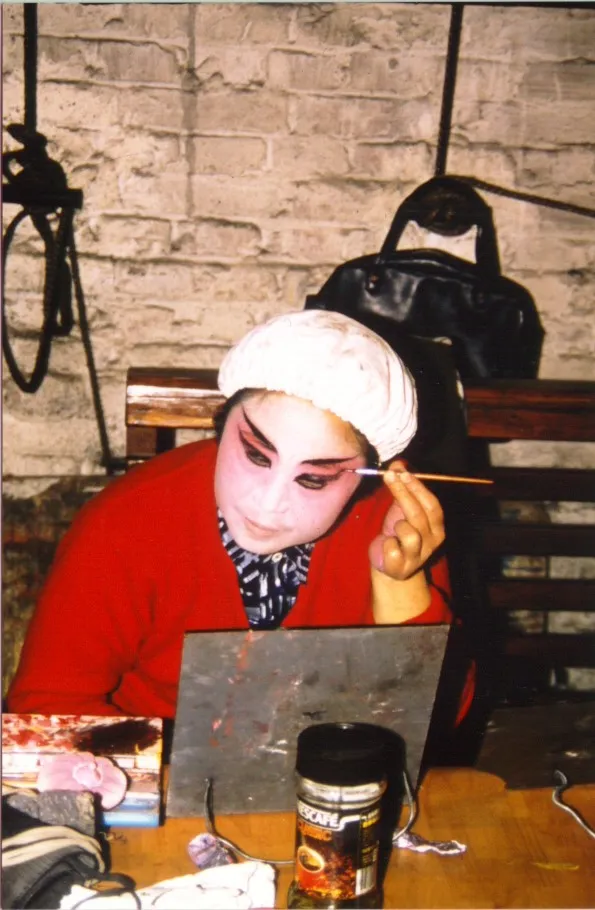
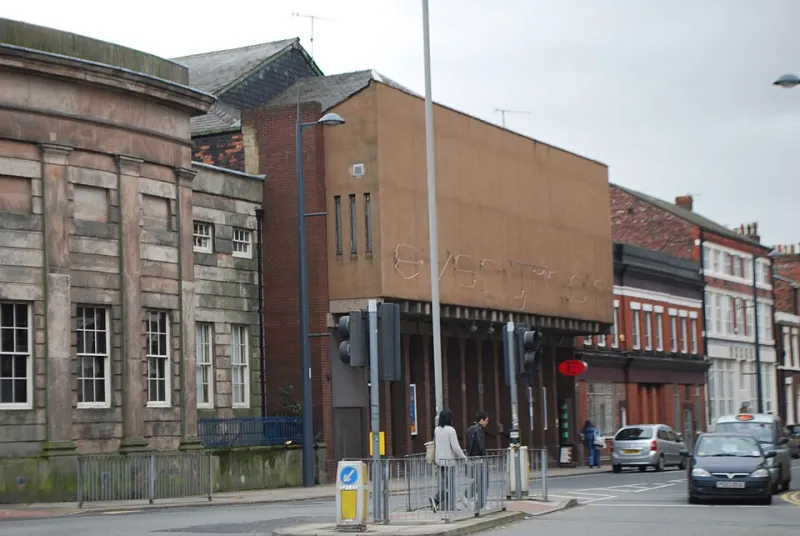
Photo: Jürgen Eissink, CC BY-SA 4.0, via Wikimedia Commons
There is a moment, roughly ninety seconds after checking into a theatre-themed hotel, when you realise whether you have booked a green room or a green-washed room. The mirror bulbs are there. The framed playbills are there. The cocktail menu has a pun about curtain call. But the thing you actually need — a quiet corner, a decent kettle, and someone who knows when the matinee lets out — is nowhere to be found.
That is not a small gripe. A green room, in the working sense, is not a decorative idea. It is the room where people wait, warm up, compare notes, eat something beige, and steady themselves before going on. It is practical hospitality with a theatrical accent. In 2026, with weekend stays costing what they do, the difference between a stay that understands that and one that has simply bought a job lot of velvet cushions is worth knowing about.
Set dressing is not stagecraft
The UK has always had theatre-adjacent places to stay: rooms above pubs with a back room for touring companies, seaside B&Bs near rep theatres, city hotels that quietly hold late check-outs for press nights. What has changed is the branding. Backstage is now a mood. You can buy it on a cushion.
None of that is inherently bad. A bit of atmosphere is lovely. But atmosphere is easy to stage. Hospitality is harder. A genuine backstage stay tends to be run by people who have either worked in a venue or spent enough time loitering in one to know the rhythm of a show day. They understand that the gap between matinee and evening is not empty time — it is the bit where you need a sandwich, a socket, and somewhere to put your feet up without a hen party shouting through the wall.
The five-point Green-Room Washing checklist
Use this before you book. It is not a scientific instrument, but it will separate the tea urn from the tea-light.
1. The tea urn test
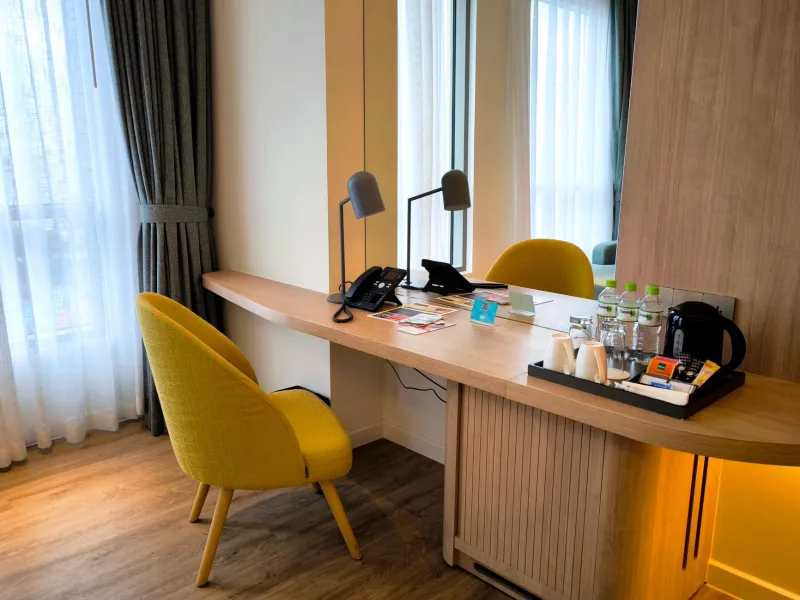
Ask what is available after 10pm. A genuine green-room-inspired stay will not blink. There should be a proper kettle or hot water access, real milk, and mugs that hold more than a thimble. Bonus points if there is something plain to eat — toast, biscuits, a bit of fruit — because the post-show hunger is not a myth. If the only late-night option is a minibar with a £7 bag of crisps, treat that as set dressing.
2. The quiet corner test
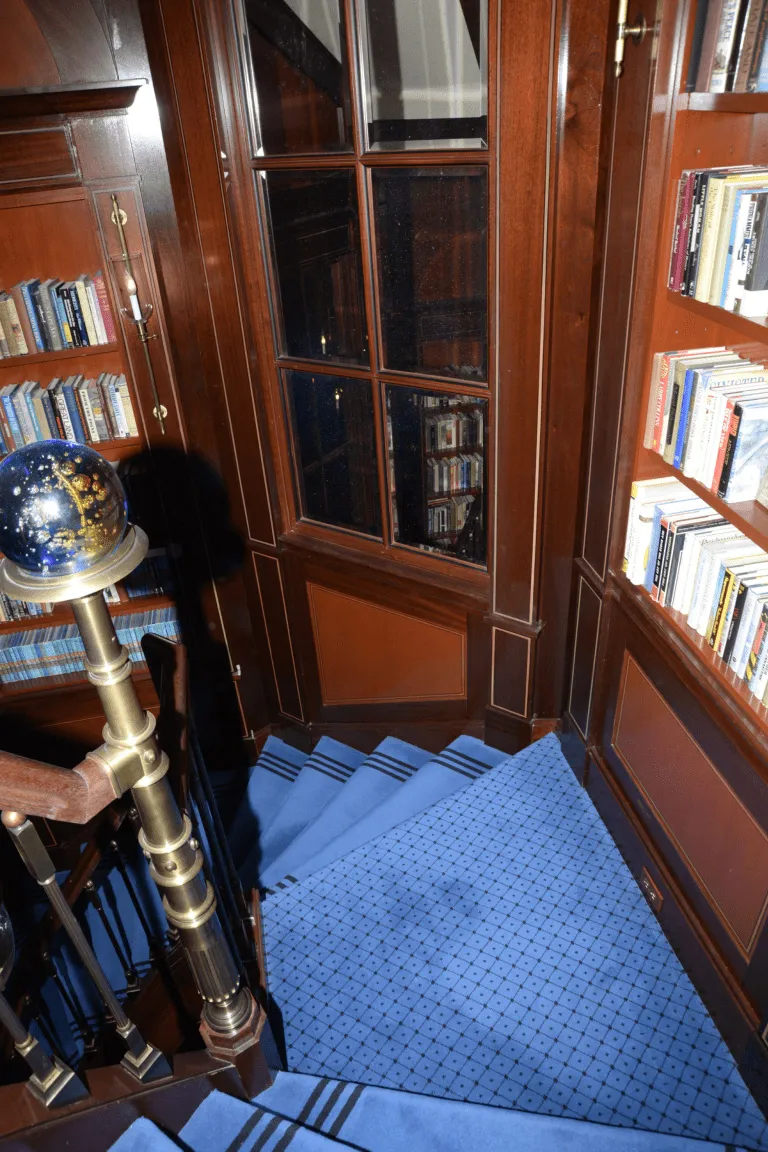
A green room has a corner where you can sit and learn lines, read a programme, or simply recover from the day. In a hotel, that translates to a lounge or landing that is not also the bar, the breakfast room, and the through-route to the lifts. Check the photos for actual seating that is not a bar stool. Look for lamps rather than downlights. If every communal space is designed for a photograph rather than a person with a script, keep looking.
3. The noticeboard test
This is the giveaway. A real backstage stay will have some form of local noticeboard — physical or digital — with what is on at the local theatre, stage times, pub theatre listings, Q&A nights, and the sort of thing you only find out by talking to someone. It does not need to be a curated cultural programme. A pinned-up copy of the local listings magazine and a note about the theatre bar’s opening hours is enough. If the only information available is a QR code for the hotel group’s loyalty scheme, you have your answer.
4. The check-out test
Flexible check-out is the green-room equivalent of a late curtain. If a stay is serious about theatregoers, it will understand that a Sunday matinee, a Saturday press night, or a midweek show with a 7.30pm start does not fit neatly around a 10am exit. Ask directly: can I leave my bag? Can I have an extra hour? Is there somewhere to change after the show? The answer tells you whether the theatre references are operational or ornamental.
5. The staff timetable test
Finally, ask the person on the desk a simple question: what time does the show finish at the nearest theatre? If they know, or know where to look, that is a good sign. If they can also tell you where the stage door is, which pub the actors use, and whether the last train leaves before the curtain call, you are in safe hands. Staff who know the local timetable are the closest thing a hotel has to a stage manager.
The red flags worth noticing
Green-room washing tends to follow a pattern. Mirror bulbs in the bathroom but no reading light by the bed. A ‘curtain call’ cocktail but no late-night food. A framed poster from a West End show that closed a decade ago, but no awareness of what is on at the theatre down the road. The language is theatrical; the operation is generic.
None of this is malicious. It is just easier to buy a sign than to train a team. But if you are booking a weekend around a show — particularly in theatre towns such as Sheffield, Manchester, Bristol, Glasgow, or anywhere with a decent fringe scene — you are allowed to want the practical version.
How to book smarter in 2026
Email before you book. Ask two questions: what is available for late-night refreshments, and can you accommodate a late check-out around a matinee? The reply will tell you most of what you need to know. Read reviews for specifics rather than adjectives: mentions of ‘comfy bed’ are nice, but mentions of ‘they let us leave our bags and change after the show’ are useful.
And do not dismiss the smaller places. Former performers running B&Bs, pubs with a back room, and regional hotels near rep theatres often pass the tea urn test far more convincingly than a city-centre boutique with a thespian aesthetic. The green room was never about luxury. It was about being looked after between the bits where you have to perform.
Book the stay that understands the timetable. The mirror bulbs are optional. The kettle is not.