Engine Off, Curtain Down: Five UK Theatre Towns Built for Drivers

Photo by Photo by Valerie on Unsplash on Unsplash
There is a particular kind of deflation that sets in at about 10.45pm, somewhere between the second curtain call and the multi-storey barrier. The show was brilliant. The bar was warm. And now you are in a concrete stairwell in a strange city, holding a ticket that has somehow demagnetised itself, while your passenger quietly looks up the last train home.
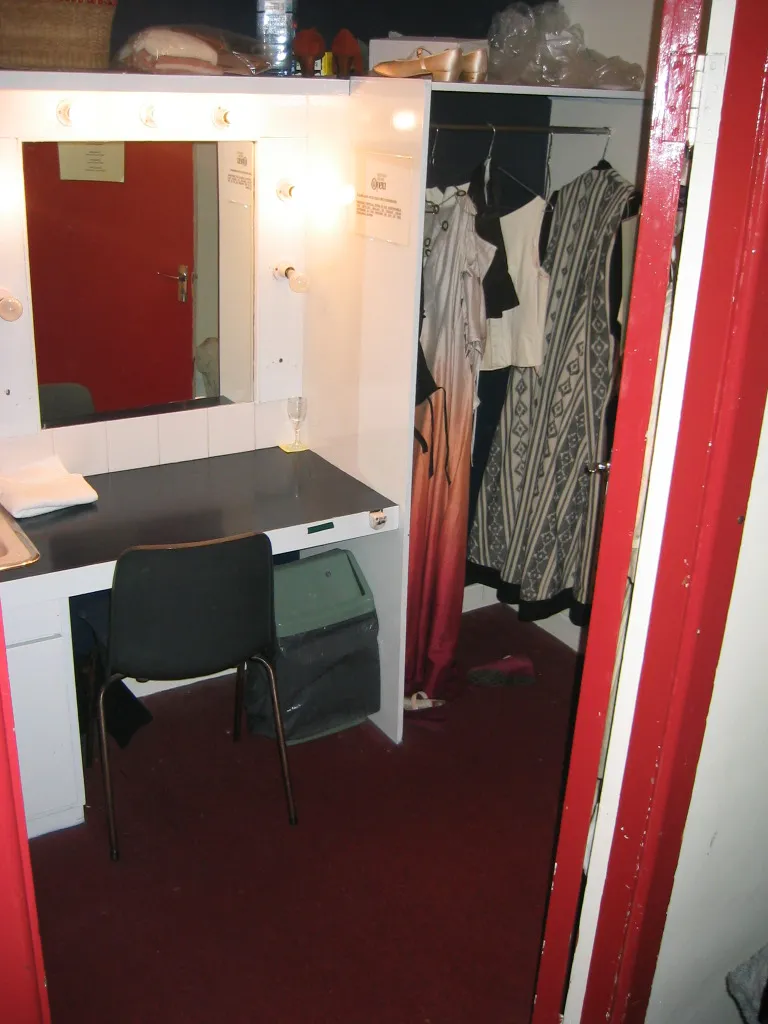
A green room, in the proper sense, is the place where everything is arranged so that the people coming off stage can exhale. Good stays do the same thing for guests. The trouble is that most of them stop caring at the lobby doors, as if the car park were somebody else's department. It isn't. For anyone driving to a theatre weekend, the car is the final act — and it is the one nobody rehearses.
The Last Act Nobody Rehearses
Think about what actually happens after the applause. You collect a coat, you queue for a loo, you half-heartedly consider a nightcap, and then you make a series of small decisions that will either end the evening gracefully or ruin it. Left or right out of the foyer. Which street the car is on. Whether the barrier closes at midnight. Whether the charging bay you left the car in is free after 11pm or a £70 penalty.
None of that is glamorous. All of it is hospitality. A stay that has thought about it becomes a proper weekend; a stay that hasn't turns a lovely evening into an admin task with a handbrake.
What Car-Friendly Actually Means
Ignore the phrase on the booking page that says parking available. It means nothing on its own. Ask four specific things before you commit.
- Is the space pre-bookable, or first-come-first-served? A guarantee beats a hopeful arrival at 6pm on a Saturday.
- What are the dimensions? Older town-centre car parks were built for a different era of vehicle. Height restrictions of 1.8 metres will end a roof-box holiday before it starts.
- How do you get out after the show? Fobs, codes, shutters and midnight lock-ins are the usual culprits. Confirm the arrangement in writing.
- Where does the car charge, and does it need moving overnight? An EV charger that requires you to shift the car at 7am is not really an amenity.
Then add the one thing that no booking page will tell you: how long the walk is, at night, in the dark, in shoes you did not choose for walking.
Five Towns, Five Different Car Problems
Bath — the tight-squeeze test
Theatre Royal Bath sits in a knot of Georgian streets where a parking space is a minor inheritance. The sensible play is to stay somewhere with its own pre-bookable bays and leave the car there for the duration — several of the larger spa hotels on the edge of the centre sell spaces at the time of booking, and the park-and-ride sites are a genuinely civilised alternative if you arrive before the evening service winds down. Once you are in, everything is walkable. That is the trade: pay for the space, then forget you own a vehicle.
Stratford-upon-Avon — the two-show problem
A matinee and an evening at the RSC creates a specific driving headache, because you do not want to move the car between performances but you also do not want to pay for two separate sessions. Stays within a few minutes of the theatres solve this outright, and the town's main car parks are close enough that a single day ticket covers both shows and dinner. Book the space for the full day, not the evening, and the double becomes a pleasure rather than a logistics exercise.
Manchester — the big-city late exit
Here the issue is not space, it is sequencing. The Palace and the Opera House both empty into streets that fill quickly with taxis, and the big city-centre car parks a short walk away are the reliable answer — provided you have pre-paid and checked the exit procedure. A handful of the city's better hotels sit within a ten-minute walk of both venues and sell guaranteed underground parking, which is worth a modest premium on a wet Tuesday in February. Manchester rewards planning here far more than it rewards optimism.
York — the wall-and-cobble job
York is glorious and almost entirely pedestrian by 7pm, which means the car needs a home before you go anywhere near the theatre. The long-stay car parks near the walls and the riverside sites do the job, and hotels around the station end of town tend to have the most realistic parking arrangements. The walk in through the lit streets is part of the evening. Just wear the sensible shoes for the cobbles — this is not a city that forgives heels on wet stone.
Brighton — the seafront squeeze
Brighton's Theatre Royal sits minutes from the Lanes, where the streets narrow and the parking evaporates. The workable pattern is a hotel with its own bays or a pre-booked space in one of the larger multi-storeys, then a flat walk along the seafront or through the colonnades to the theatre. Summer weekends need booking weeks ahead for both the room and the space; the town fills from Friday lunchtime onwards.
The Walkable Stage Door Rule
One rule simplifies almost everything: choose a stay within fifteen minutes on foot of the theatre, and treat the car as luggage storage. It removes the post-show drive entirely, keeps the evening loose, and means the only decision after curtain-down is whether to have one more drink.
Check the route on a map before you book, ideally at night on street view. Look for lit main roads rather than pretty cut-throughs. Fifteen minutes through a well-lit town centre feels like five; the same distance through an unlit park feels like an hour.
The Morning After the Night Before
A theatre weekend that works tends to finish better than it started. Sunday checkout times matter more than they should when you have been out late. Late checkout, a slow breakfast and the option to leave the car in the bay while you find coffee is the difference between a calm drive home and a scrappy one.
If you are running an EV, ask whether the charger is in the hotel's own car park and whether you can leave the car plugged in overnight. Overnight charging plus a late checkout is, quietly, the best-value amenity in British hospitality right now.
Passing the Test
A stay earns its green-room credentials in the small hours, not in the brochure. If the barrier works, the walk is short, the exit is clear and the car is still there in the morning, the weekend has been properly produced. If it hasn't, no amount of velvet in the lobby will save it.
Book the space at the same time as the room. Confirm the exit in writing. Then put the keys away and enjoy the show.